


OLED Portable EV Charger | Type 2 to UK 3-Pin
OLED Portable EV Charger | Type 2 to UK 3-Pin
Engineered for the UK, our OLED portable ‘granny’ charger features touch controls and up to 20m of reach. Set your charge rate, schedule a delayed start for off-peak rates, and see exactly what’s happening on the live screen. Fits any electric car or hybrid with a Type 2 or CCS2 inlet
Couldn't load pickup availability
Get in touch:


Charging Control
Real-time OLED status, with touch controls for current and delay timer
All-Weather Ready
IP67 weatherproof rating for reliable outdoor charging, year round
Advanced Safety
Plug temperature sensor and Type B RCD with DC fault detection
Specification
General Information
Rated Output
Operating Environment
Built-In Protection
Physical Properties
Safety & Care
In the box
-

EV Charging Lead
-

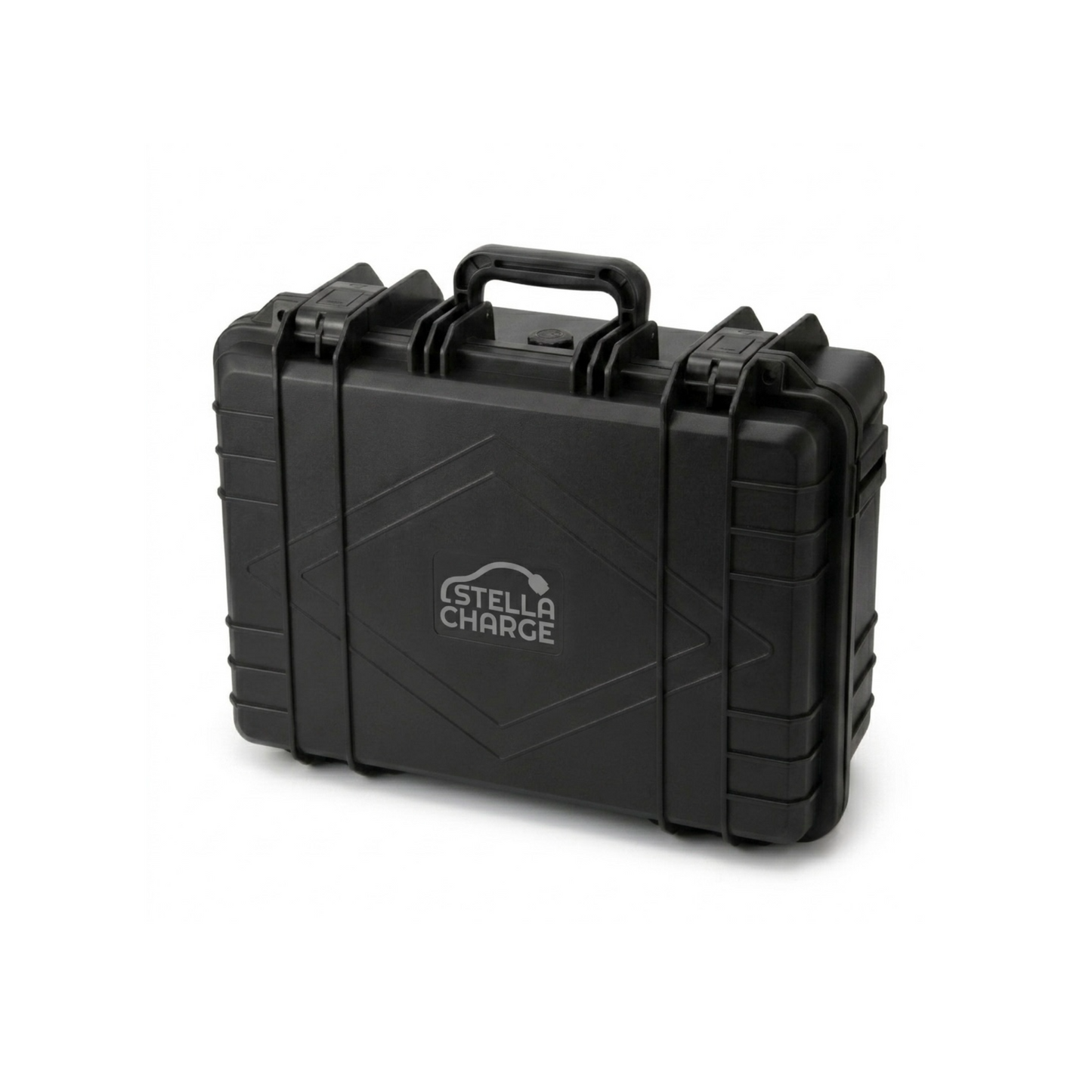
Hard-Shell Case (Optional)
-

User Manual
-

Microfibre Cleaning Cloth


Delivery
Delivery
Read our shipping policy.
Returns
Frequently Asked Questions
FAQs
Will it work with my car?
Yes, if your car has a Type 2 charging inlet, which covers almost every electric and plug-in hybrid car sold new in the UK in recent years (since 2018). Some older models, such as Nissan Leafs built before 2018, use Type 1 instead. If you're unsure, message us your car model and we'll confirm.
How long will it take to charge my car?
At 10A the charger delivers about 2.3kW. A typical hybrid battery of 13kWh charges from empty in about 6 hours. For a fully electric car, the charger adds roughly 8 miles of range per hour, or around 75 to 100 miles overnight, which comfortably covers a typical day's driving.
Real-world times vary with temperature, battery condition and your car's on-board charger.
Can I charge outside or in the rain?
Yes. The control box is IP67 rated, so it copes with rain, snow and dust. Keep the plug and connector dry when connecting and disconnecting, fit the connector cap when it's not in use, and if your socket is outdoors, use one with a weatherproof cover
Can I charge overnight on off-peak rates?
Yes. Set the delay timer before plugging into your car and charging starts when the countdown ends, so you can line it up with your off-peak tariff window.
Why is it limited to 10A when the socket is rated at 13A?
Although UK 3-pin plugs and sockets are rated at 13A, charging draws a high continuous current for many hours at a time, often night after night. Running at maximum capacity would put significant strain on the plug, socket and household wiring, leading to heat build-up, particularly in dated sockets. To reduce this strain and lower the risk of overheating, charging is capped at 10A in line with UK industry best practice for prolonged sessions.
Does the charger’s temperature sensor protect my wall socket?
No. Your indoor wall socket isn’t monitored, so check it yourself. For the first few sessions, feel the plug and socket after about 30 minutes, then occasionally after that. Warm is normal. If it feels hot rather than warm, or you notice a burning smell or discolouration, stop charging and have the socket checked by an electrician.